Are Wesley Chapel Builder Incentives Actually a Good Deal in 2026?
Reduced rates, closing-cost help, price cuts, upgrade credits. They all get advertised the same way, and they don’t do the same thing to your finances.
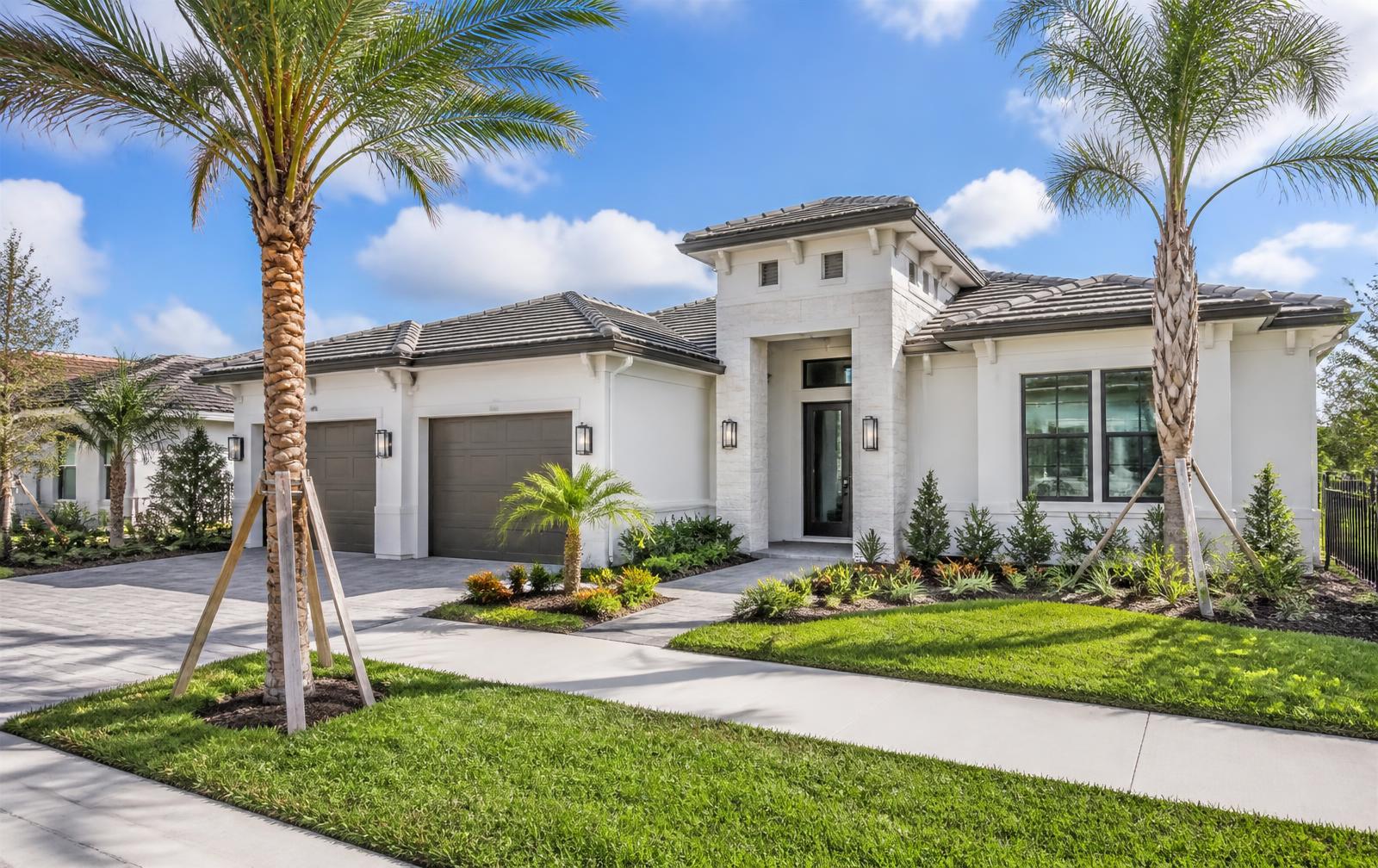
Builder incentives on Wesley Chapel new construction can be a very good deal — but the biggest advertised incentive isn’t automatically the best financial choice. Builders may offer reduced mortgage rates, closing-cost assistance, price reductions, design or upgrade credits, or incentives tied to quick move-in homes and affiliated lenders. The right offer depends on what it does to your purchase price, cash needed at closing, monthly payment and long-term cost of the loan.
In other words: don’t compare incentives. Compare outcomes.
A lower advertised mortgage rate might produce the greatest benefit for one buyer. Another buyer may be better served by a price reduction or closing-cost assistance. And sometimes a resale home may still offer the better overall value.
That’s why Wesley Chapel buyers should evaluate the home, financing, fees, incentives and community together — not choose a house because a billboard advertised an eye-catching rate.
Why Wesley Chapel buyers are seeing so many builder incentives
Wesley Chapel remains an active new-construction market. Depending on location and budget, buyers may be comparing different builders, communities, quick move-in homes, to-be-built homes and resale properties at the same time.
That competition gives builders another lever besides simply lowering the sticker price: incentives.
Current promotions illustrate just how differently those incentives can be structured. In the broader Tampa and Wesley Chapel new-construction market, examples include special financing, closing-cost assistance, reduced pricing and incentives attached to selected move-in-ready inventory.
These promotions can create opportunity. They can also make comparison shopping more complicated.
1. The lowest mortgage rate isn’t necessarily the best deal
This is probably one of the biggest mistakes buyers can make when comparing builder promotions. Imagine seeing a headline rate advertised on a sign. Naturally, your attention goes straight to the rate.
But before deciding whether that’s a great deal, you need to know: under what conditions?
Promotional financing can depend on factors including:
- The particular home
- Contract date
- Closing deadline
- Loan program
- Down payment
- Credit qualifications
- Owner-occupancy requirements
- Use of an affiliated or preferred lender
- Available promotional funds
So the useful question isn’t “What’s the advertised rate?” It’s “What would my actual payment and total financing cost be on this specific home?”
2. Closing-cost assistance can be extremely valuable
For some buyers, the biggest obstacle isn’t the monthly payment. It’s the amount of cash required to close. That’s where builder-paid closing costs can become particularly useful.
Depending on the transaction and financing, assistance may help reduce the amount a buyer needs to bring to closing. That can preserve cash for the things that arrive immediately after buying a house: moving expenses, furniture, window treatments, appliances, landscaping or simply maintaining an emergency reserve.
But again, compare the whole transaction. A $10,000 credit isn’t automatically a $10,000 advantage if another part of the deal costs you more.
3. A price reduction and a financing incentive do different things
These are easy to lump together. They shouldn’t be.
- A price reduction lowers what you’re paying for the property.
- A financing incentive changes some aspect of the cost of borrowing.
- A closing-cost credit reduces certain eligible upfront transaction expenses.
- An upgrade incentive may allow you to add or receive features without paying their full advertised cost separately.
Those benefits affect your finances differently. That’s why two offers carrying the same “$20,000 incentive” headline can produce completely different outcomes for a buyer.
4. Quick move-in homes may carry different opportunities
Builders have another consideration resale sellers generally don’t: inventory. A completed or nearly completed home sitting in builder inventory is different from a house that won’t be constructed for months.
That can create opportunities on certain quick move-in homes. Builders may sometimes attach stronger promotions to selected inventory based on timing, availability and business objectives.
That does not mean every quick move-in home is negotiable or discounted. It means buyers should ask a more specific question: what is this builder motivated to sell right now?
5. Don’t forget the costs that aren’t in the incentive
A great-looking builder promotion can distract buyers from the larger ownership equation. The incentive is only one piece.
Depending on the Wesley Chapel community and property, buyers should also understand things such as CDD assessments, HOA dues, property taxes, homeowners insurance and flood considerations where applicable — plus the property-level costs that follow:
- Lot premiums
- Design selections
- Structural options
- Appliance packages
- Blinds and window treatments
- Fencing
- Landscaping
- Pool costs
- Other post-closing improvements
A financing incentive can be excellent and the home can still be more expensive to own than another alternative. Or the opposite can be true. That’s why the goal is to understand comfortable ownership, not simply celebrate a promotional rate.
6. Builder incentives make the new construction vs. resale comparison more interesting
Suppose you’re comparing a new home at $500,000 with a financing incentive against a resale at $475,000 without one. Which is the better deal?
There isn’t enough information to answer.
The new home might have lower near-term maintenance expenses, newer systems and builder warranties. The resale might already include a pool, fenced yard, mature landscaping, upgraded lighting, window treatments, appliances, an outdoor kitchen or a premium lot.
Those improvements can cost substantial money to reproduce after purchasing new construction. Conversely, a builder financing package might make the new home’s monthly payment more attractive despite its higher purchase price. Our full comparison of new construction versus resale in Wesley Chapel walks through the tradeoffs in more detail.
Sticker price alone doesn’t answer the question. Neither does the incentive.
7. Understand who represents whom at the builder
Buyers should understand representation before entering into a new-construction transaction. The builder’s onsite sales team represents the builder’s interests in the transaction.
That doesn’t mean the onsite representative cannot be helpful or knowledgeable. It means buyers who want their own real-estate representation should understand the builder’s registration and representation policies before visiting or registering.
8. How we would compare two Wesley Chapel builder offers
Instead of asking which builder is offering the biggest incentive, we’d put the choices side by side — the same way we compare communities before comparing homes. For each home, look at:
- Purchase price
- Cash required to close
- Actual financing terms
- Estimated monthly housing cost
- CDD and HOA
- Lot premium
- Included features
- Upgrades still needed
- Builder warranty
- Expected completion date
- Community and location fit
- Comparable resale alternatives
Then ask: which option puts you in the right home, in the right community, with the ownership cost you’re actually comfortable carrying? That’s a much more useful question than “Who is giving away the most money?”
Frequently asked questions
- Are Wesley Chapel home builders offering incentives in 2026?
- Yes. Builders may offer combinations of special financing, closing-cost assistance, price reductions, upgrade credits and incentives on selected inventory. Offers change frequently and often include eligibility requirements, deadlines and property-specific terms, so buyers should verify the current offer for the specific home they are considering.
- Are builder mortgage rates really lower?
- They can be. Builders or affiliated lenders may use promotional funds to offer special financing on qualifying homes and loans. Buyers should compare the APR, loan terms, qualification requirements and total financing costs — not just the advertised interest rate.
- Do I have to use the builder’s lender to get an incentive?
- It depends on the promotion. Some financing incentives require an affiliated or preferred lender, while others may not. Buyers should review the specific offer terms before comparing deals.
- Should I buy a quick move-in home to get a better deal?
- Not automatically. Builders may offer stronger promotions on selected quick move-in inventory, but the home still needs to fit your community, floor-plan, timing and financial priorities.
- Are builder incentives better than negotiating on a resale home?
- Neither is universally better. New construction may offer financing or closing-cost incentives, while a resale seller may negotiate price or concessions and the home may already include expensive improvements. Compare the entire transaction and likely ownership costs.
- Should I bring my own agent when visiting a Wesley Chapel builder?
- If you want your own representation, involve your agent before your first builder visit or registration. Builder registration and outside-agent policies vary, so the applicable policy should be confirmed before assuming representation can be added later.
Jevon and Cindy have lived in Wesley Chapel for more than twenty years and advise buyers and sellers across its communities. Brokered by eXp Realty, proud members of The Kendall Bonner Team.