Selling & the Next Move

The Wesley Chapel Home Seller Guide

What homeowners need to know about pricing, preparation, competition, new construction and making the next move strategically.

Selling well is not only about putting a home on the market. It is about understanding what you own, what buyers are comparing it to, what you may have available after the sale, and what needs to happen next.

Updated September 2026
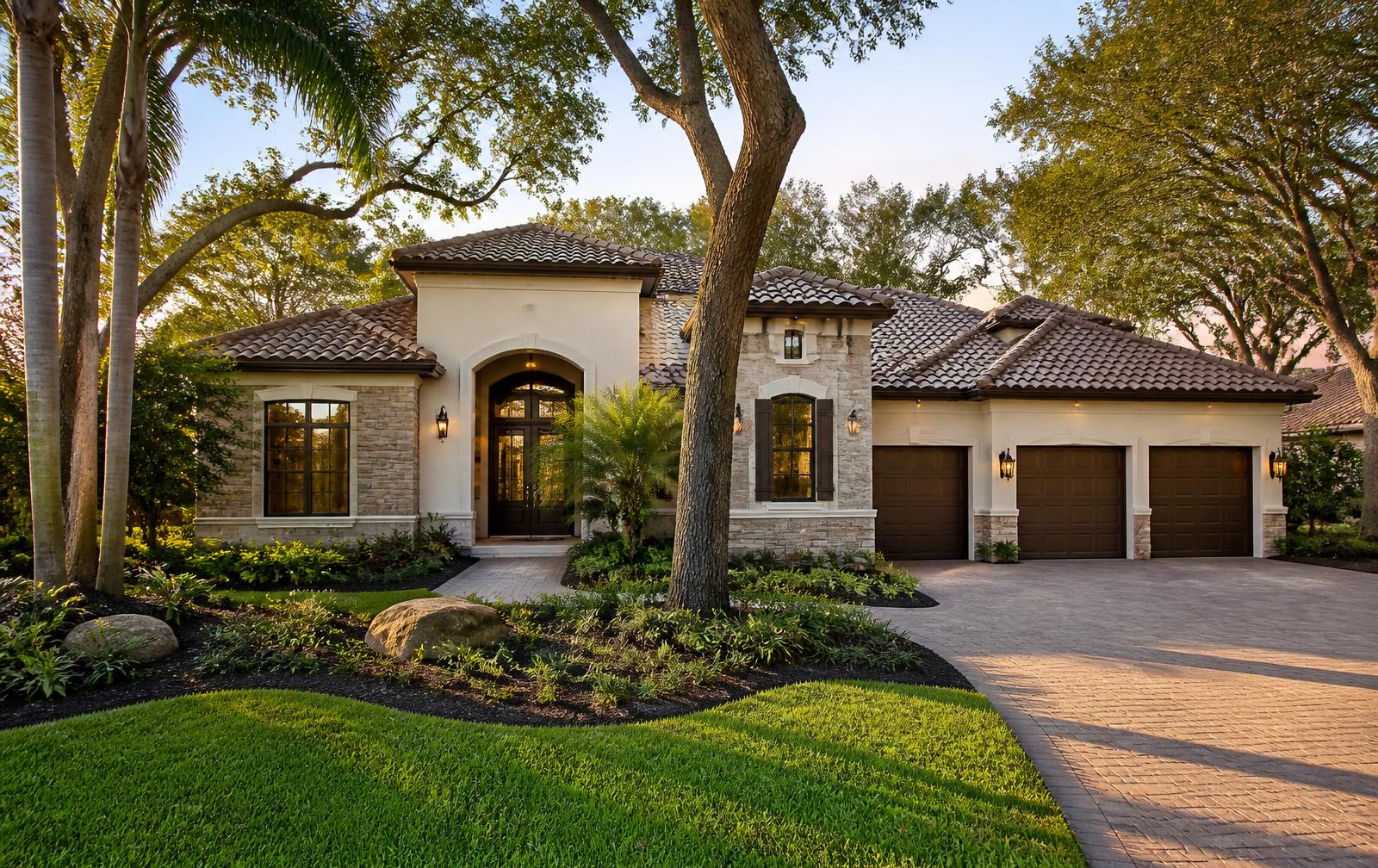
A Wesley Chapel, Florida single-family home exterior with mature landscaping on a quiet neighborhood street.
The market has changed

Selling today takes more strategy than simply putting a sign in the yard.

Buyers have more choices again — across resale homes and new construction. When buyers have alternatives, pricing, condition, presentation, competition and timing each carry more weight than they did in a faster market.

Then there is the larger question most sellers are actually carrying: what happens after the sale?

Many Wesley Chapel sellers are also making a move-up, downsizing, relocation or replacement-home decision at the same time. That is why the Go With JC seller strategy begins with the whole move rather than the listing date.

“The goal is not simply to sell the house. It is to make the sale work with whatever comes next.”
— Jevon & Cindy Williams
See the latest Wesley Chapel housing market update →
Market intelligence

Your biggest competitor may not be another seller.

A buyer considering your Wesley Chapel resale home may also be comparing a new-construction home nearby. The two options are not interchangeable, and each can be the better fit depending on the buyer.

Resale may offer

  • Established landscaping and neighborhood character
  • Known home and community history
  • Improvements already completed
  • Pools, fencing or outdoor features already included
  • Potentially faster move-in timing
  • Negotiable price and terms depending on the transaction

New construction may offer

  • New systems and finishes
  • Builder or manufacturer warranties
  • Financing or closing-cost incentives when available
  • Newer floor plans
  • Design selections depending on stage
  • Quick-move-in inventory in some communities

Builder promotions, financing, availability, eligibility and incentive terms change frequently and should be verified for the specific home and date.

The Go With JC approach

Before recommending a list price, we want to understand what a buyer at that budget could purchase nearby — not only what recently sold. Positioning a resale home well means acknowledging the alternatives and making the case for the home on its own merits.

New Construction vs. Established Homes →
Pricing strategy

Price for today’s buyer. Not yesterday’s market.

A considered pricing strategy weighs far more than a handful of recent sales:

  • Relevant recent sales
  • Active competition
  • Pending homes
  • Price reductions
  • Days on market
  • Community-specific demand
  • Condition
  • Floor plan and lot
  • Pools and major improvements
  • HOA and CDD where applicable
  • Nearby new construction
  • What buyers can purchase at the same budget

Pricing is positioning.

  1. 01Starting too high
  2. 02Fewer qualified buyers perceive value
  3. 03Fewer showings
  4. 04More time on market
  5. 05Greater likelihood of later adjustment
  6. 06Lost launch momentum
How much is my Wesley Chapel home worth? →
Preparation

Prepare strategically. Don’t renovate automatically.

Fix

Broken items, deferred maintenance, damaged finishes.

Clean

Floors, windows, vents, kitchens, bathrooms, outdoor areas.

Edit

Declutter, reduce unnecessary personal items, organize closets, clarify room purpose.

Refresh

Curb appeal, landscaping, touch-up paint, lighting, exterior surfaces.

Presentation is price support.

Buyers usually meet a property online first — through photography, video, the way rooms are presented, the description and the community story. All of it shapes perceived value before anyone walks through the door.

A well-positioned listing should answer four questions clearly:

Why this home?Why this community?Why this price?Why now?
Offers & negotiation

The strongest offer is not always the highest headline price.

Every offer is worth evaluating across five dimensions rather than one number.

Price

The gross number written on the contract.

Terms

Contingencies, conditions and requested concessions.

Timing

Closing date, possession and flexibility.

Risk

Financing strength, contingencies and buyer certainty.

Estimated Net

What a seller may realistically walk away with.

A buyer requesting closing-cost assistance, a repair credit, a rate buydown or a home warranty is not automatically making a weak offer. What matters is the entire package — including the probability that the transaction actually closes.

Concessions and price reductions can affect a seller’s estimated net differently, and they affect a buyer’s financing differently as well. Those effects depend on the specific contract, lender and loan structure, so they are worth reviewing with the appropriate professionals.

Negotiate the outcome — not the ego.

Equity & the next move

Your equity may be the bridge to your next move.

Estimated probable sale range
Mortgage payoff
Estimated selling-related expenses
=Estimated proceeds / equity available

These figures are estimates only. Actual results depend on the final contract, payoff amounts, closing costs and other transaction-specific details.

Should you sell first or buy first?

Sell first may make sense when

  • You need sale proceeds for the next purchase
  • You want certainty about available equity
  • Carrying two homes would create pressure
  • You value financial simplicity

Buy first may make sense when

  • You can comfortably qualify before selling
  • You have sufficient liquidity
  • The right next home may be difficult to replace
  • Avoiding a rushed purchase matters more than temporary carrying costs
The Right Move™

The sign is not the strategy. The strategy comes first.

01

Strategize

Understand the entire move.

02

Price

Evaluate property, community, competition and buyer alternatives.

03

Prepare

Determine what is worth changing and what is not.

04

Position

Introduce the property with a clear pricing, presentation and marketing strategy.

“A comparable sale tells us what happened. Strategy requires understanding what is happening now.”
The seller checklist

From “maybe we should move” to closing.

Phase 01

Before You List

  • Clarify your next move
  • Estimate your equity and likely net proceeds
  • Review current competition
  • Review nearby new-construction alternatives
  • Establish a pricing strategy
  • Identify repairs worth making
  • Identify updates not worth making
  • Declutter and organize
  • Address curb appeal
  • Prepare the home for photography
Phase 02

At Launch

  • Property fully prepared
  • Pricing aligned with strategy
  • Photography complete
  • Marketing assets complete
  • Showing process established
  • Competing inventory monitored
Phase 03

On the Market

  • Review showing activity
  • Monitor competing listings
  • Evaluate buyer feedback
  • Track new listings
  • Track price reductions
  • Adjust only when the data supports it
Phase 04

When an Offer Arrives

  • Financing and down payment
  • Deposit
  • Concessions
  • Inspection terms
  • Appraisal exposure
  • Closing date
  • Contingencies
  • Overall risk
  • Estimated net proceeds

A strong offer is a combination of price, terms and the probability of closing.

Jevon and Cindy Williams, Wesley Chapel REALTORS® and longtime Wesley Chapel residents.
Your Wesley Chapel advisors

20+ years of Wesley Chapel, lived.

We have not simply studied Wesley Chapel.

We have lived its growth.

We have called Wesley Chapel home for more than twenty years, raised our family here and watched established neighborhoods mature while entirely new communities, roads, shopping districts, medical facilities and employment centers emerged.

That history shapes how we advise sellers today.

Because selling a Wesley Chapel home is not simply about square footage and a few recent comparable sales.

It is about understanding where the property sits inside a market that continues to change — and how that sale fits into whatever comes next.

Meet Jevon & Cindy →
Common seller questions

Questions Wesley Chapel homeowners ask us most.

How should I price my Wesley Chapel home?
A pricing strategy should consider relevant recent sales, active competition, pending homes, price reductions, days on market, community-specific demand, condition, floor plan and lot, pools and major improvements, HOA or CDD obligations where applicable, nearby new construction, and what a buyer could purchase instead at the same budget. Broad citywide statistics describe the environment; they do not price an individual property.
Do I need to renovate before selling?
Usually not. Most homes benefit far more from repairs, deep cleaning, editing and a refresh of curb appeal than from a full renovation. Every dollar spent before listing should be measured against its likely impact on buyer perception rather than personal preference, and results vary by property.
Should I sell before buying another home?
It depends on your finances, timeline, risk tolerance and the reason you are moving. Selling first can provide certainty about available equity and avoid carrying two homes. Buying first may make sense when you can comfortably qualify before selling and the right next home would be difficult to replace.
Does new construction affect my Wesley Chapel resale?
It can. A buyer considering your home may also be considering a new-construction home nearby, where builders sometimes offer incentives an individual homeowner cannot match. That does not make resale less desirable, but it does mean pricing and positioning should account for the alternatives a buyer can actually purchase. Builder promotions, financing, availability and eligibility change frequently and should be verified.
How far in advance should I talk to a Realtor?
Earlier than most homeowners expect. Conversations several months ahead allow time to understand your probable sale range, estimated proceeds, preparation priorities and next-home options without rushing decisions. You do not need to be ready to list to begin planning.
What should I look at besides offer price?
Consider terms, timing, risk and estimated net. Financing strength, down payment, deposit, concessions, inspection terms, appraisal exposure, closing date and contingencies all influence both the outcome and the probability that the transaction closes.
A considered next step

Know Your Number. Know Your Options.

You do not need to be ready to list to begin planning. Understanding your probable sale range, your estimated proceeds and your options is where a considered move usually starts.

No pressure. No obligation. Just a clearer understanding of your position, your options and what the right move may look like.

Market information is provided for educational purposes and is not a valuation of any individual property. Market conditions vary by property, community, condition and time period. Builder promotions, rates, incentives and availability change frequently and may be withdrawn without notice. Nothing here is financial, tax, legal, insurance or lending advice; please consult the appropriate professional for your situation.